
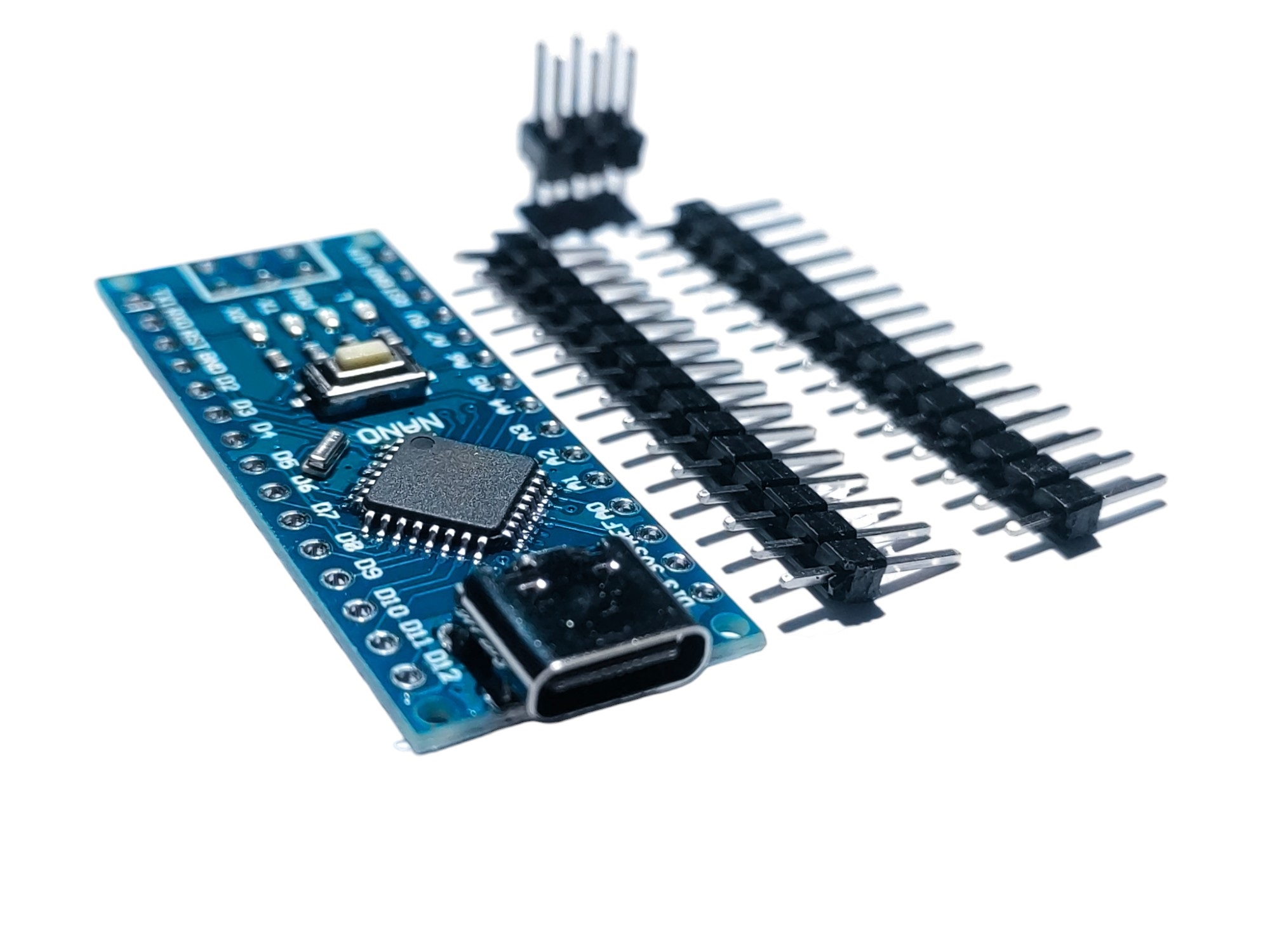
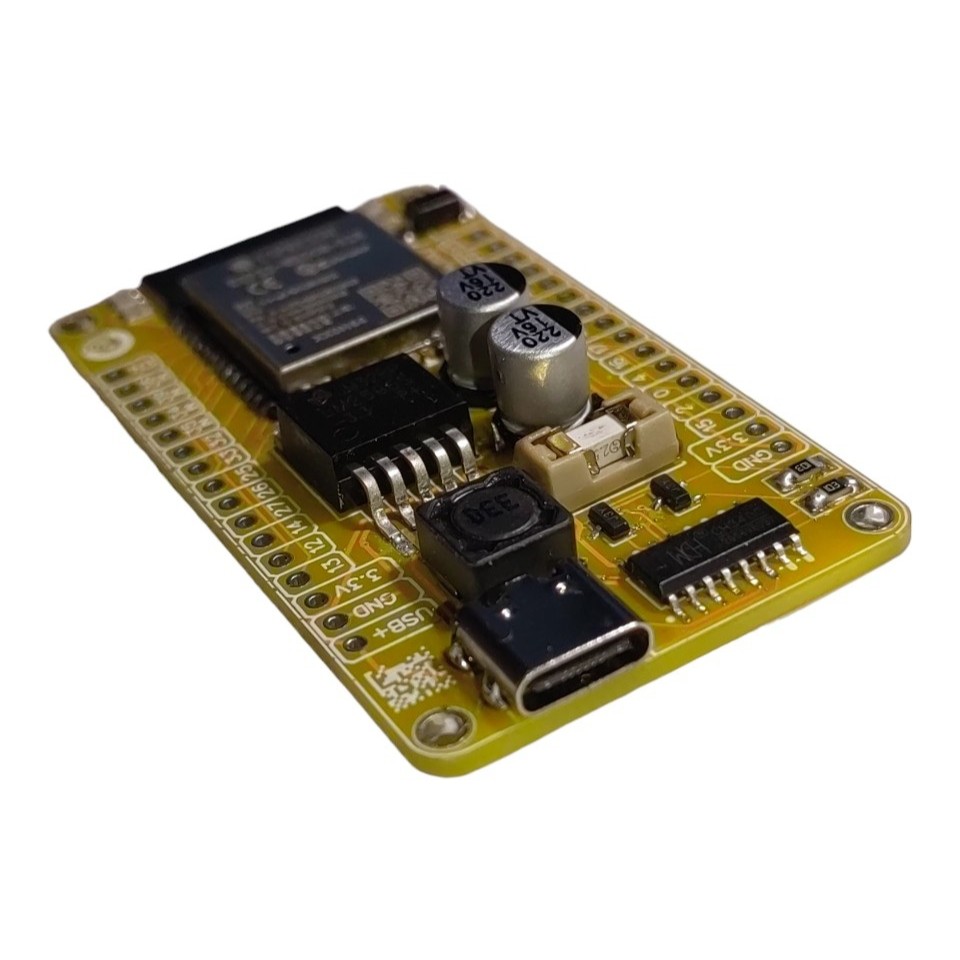
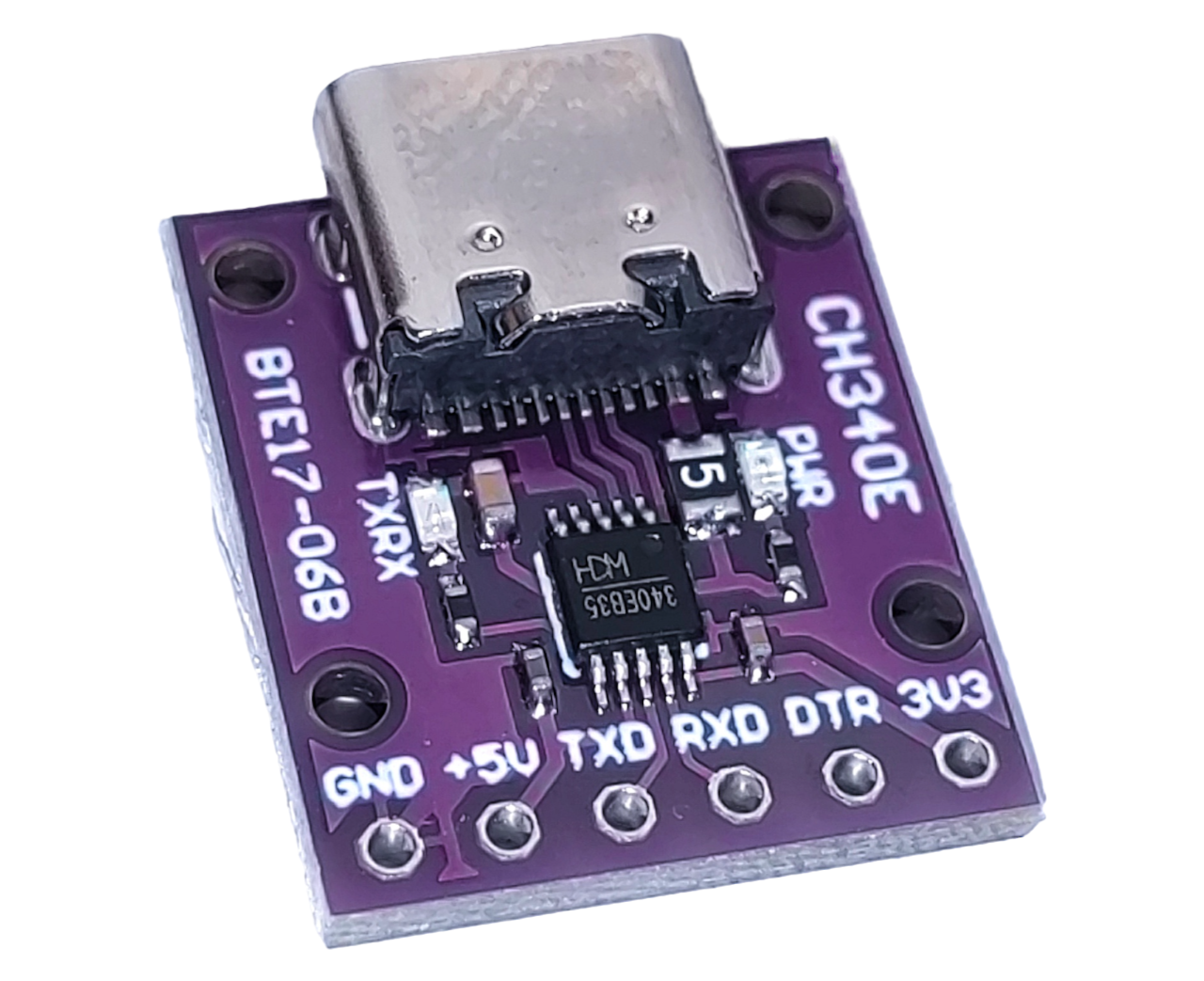

Arduino Nano 3.0 CH340 ATmega328P USB-C Development Board
Product details
Module specifications:
- Type: Arduino Nano 3.0
- Chip: CH340 (on-board USB-to-serial programmer)
- Microcontroller: ATmega328P
- Connector: USB Type-C
ATmega328P specifications:
- Architecture: AVR (Advanced Virtual RISC)
- Processor: 8-bit RISC (Reduced Instruction Set Computing)
- Package: 32 pins
- Clock speed: 20 MHz (maximum)
- Flash memory: 32 KB (programmable memory)
- EEPROM: 1 KB (Electrically Erasable Programmable Read-Only Memory)
- SRAM: 2 KB (Static Random-Access Memory)
- Operating voltage: 1.8–5.5 V
- Built-in peripherals: UART, SPI, I2C, ADC, PWM, timers
- Communication interfaces: USART, SPI, TWI/I2C
- ADC resolution: 10 bits
- Power-saving modes: Yes (Power-down, Standby, Extended Standby)
- Security features: Watchdog timer, brown-out detector, lock-bit mechanism
The ATmega328P is widely used on the Arduino platform for many different projects. Examples include:
-
LED blinking control: Use the ATmega328P to make LEDs blink in specified patterns or respond to input signals.
-
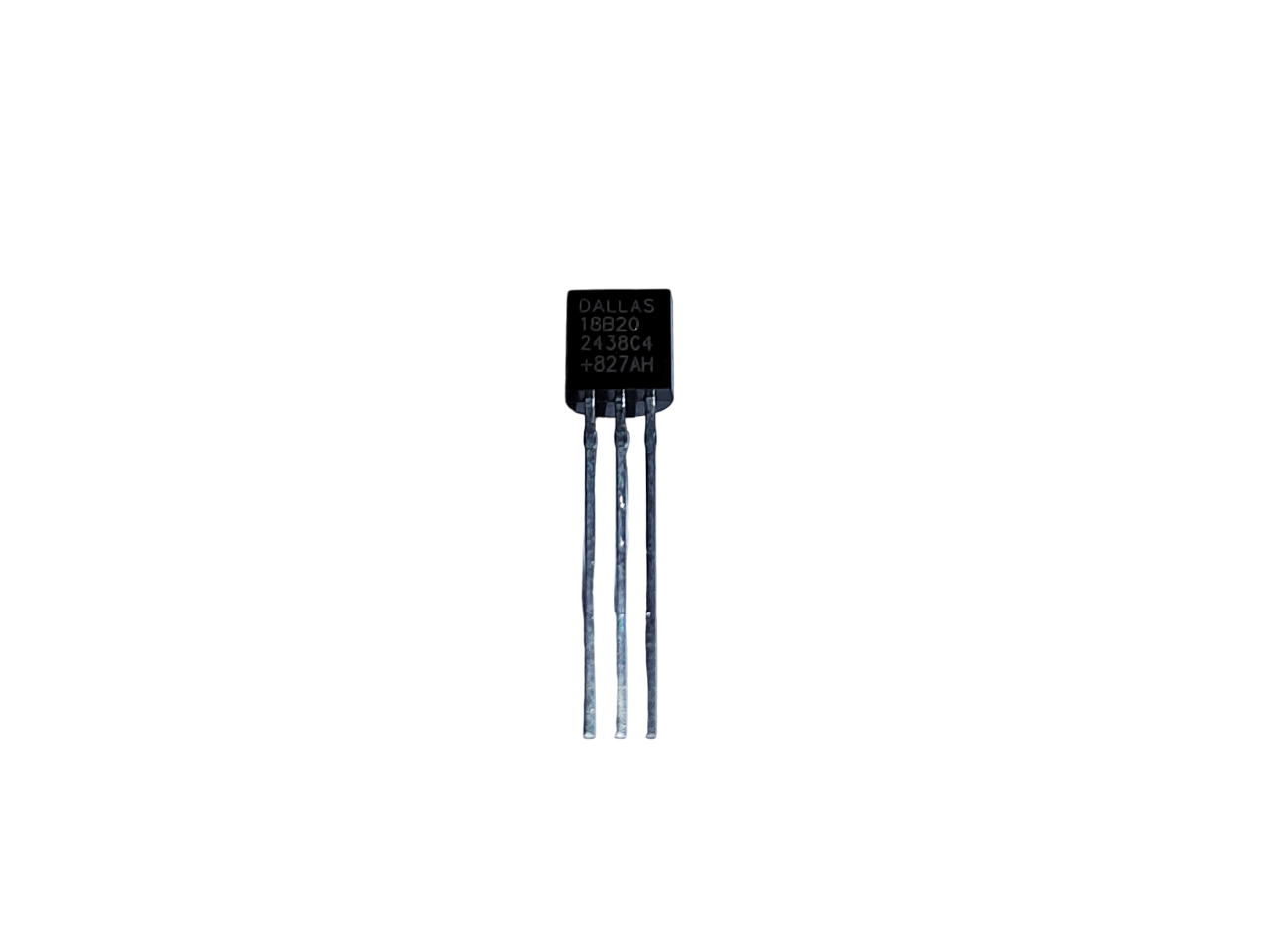
Thermometer: Build a thermometer with a temperature sensor and ATmega328P; measured values can be displayed or transmitted over a serial interface.
-
Robotics projects: Control robot movement and functions with an ATmega328P and environmental sensors.
-
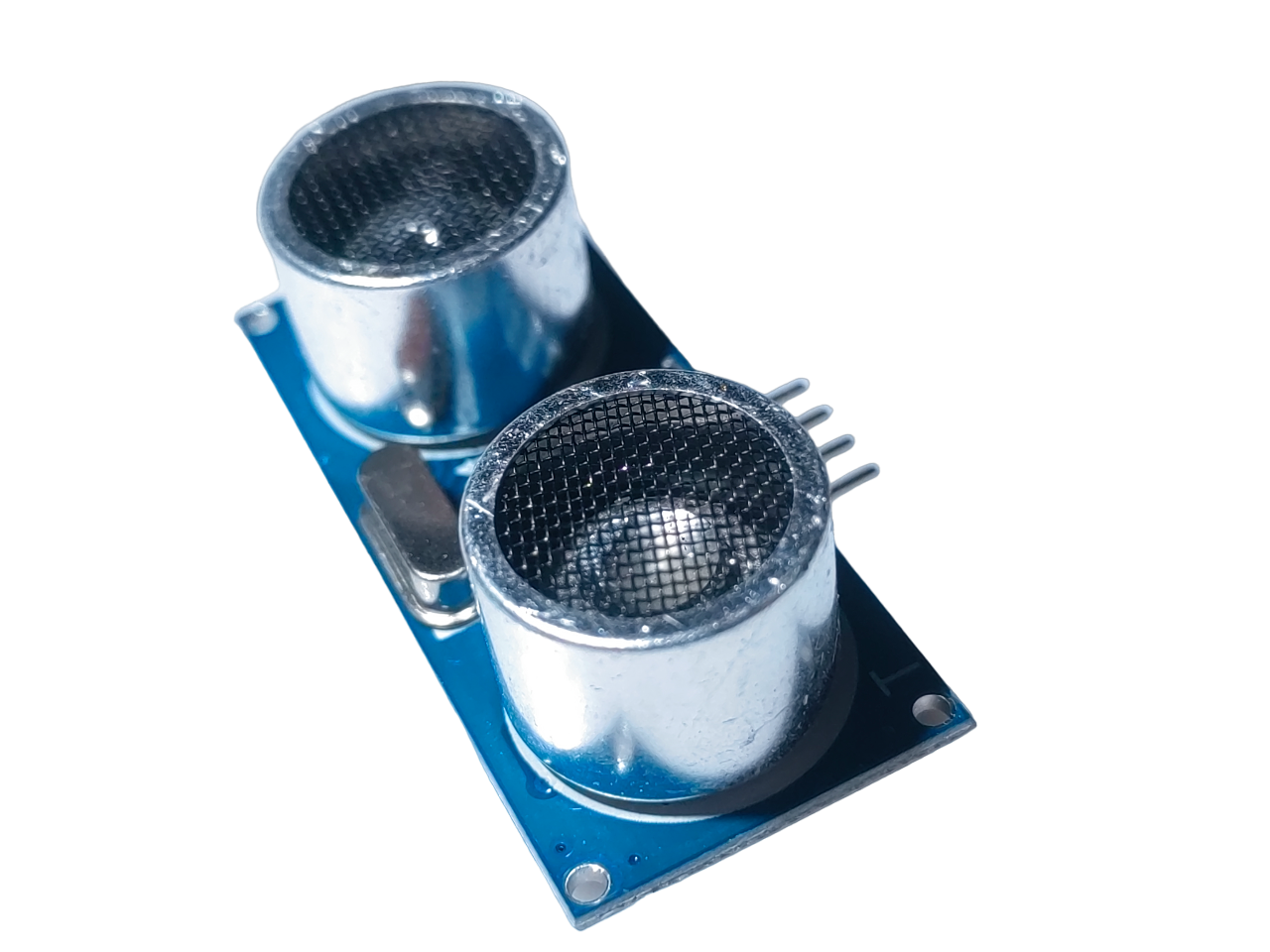
Ultrasonic sensor: Combine ultrasonic sensors with the ATmega328P to build a small obstacle-avoiding robot.
-
Weather station: Measure temperature, humidity and other weather conditions using sensors and the ATmega328P.
-
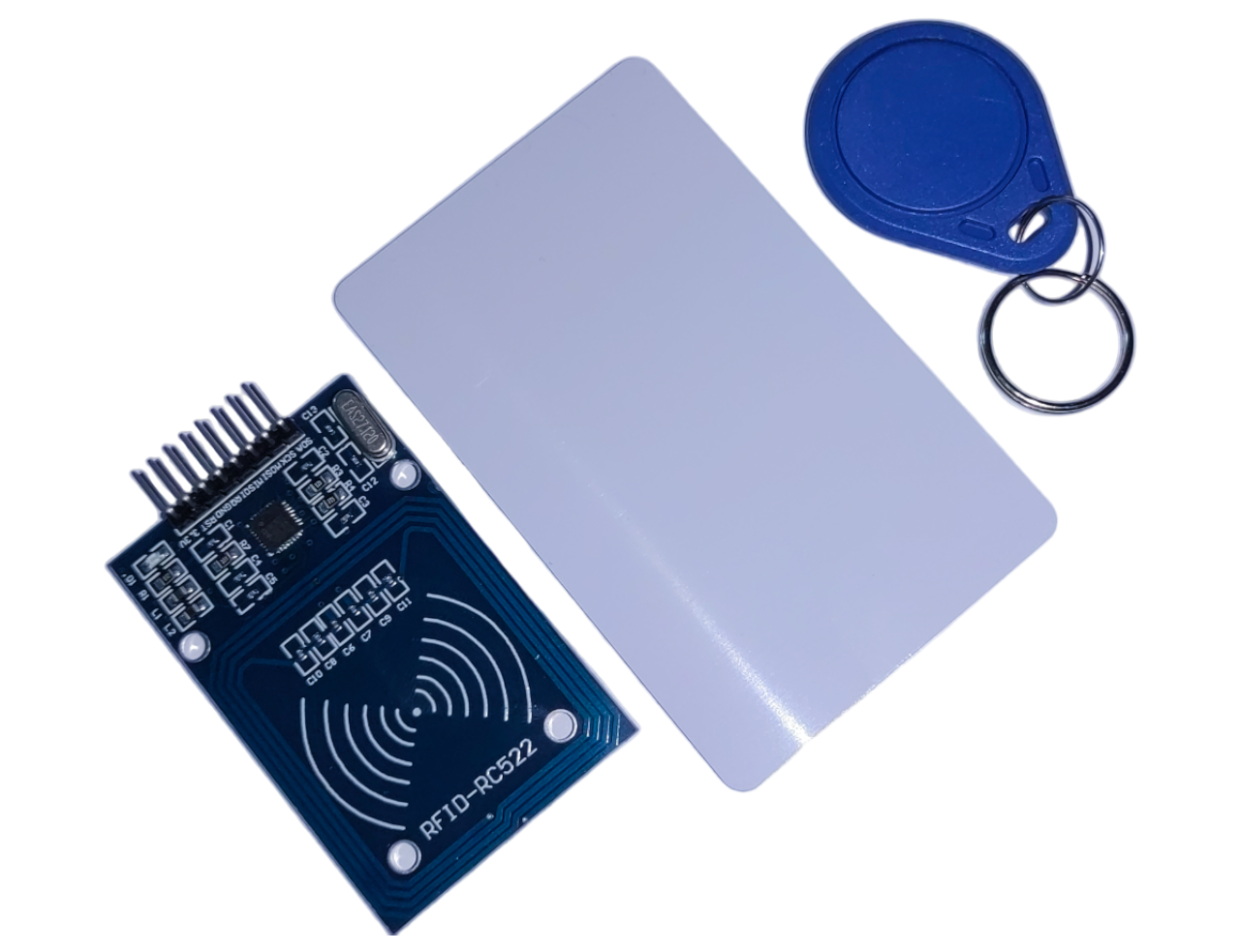
RFID access control: Create an access-control system using an RFID reader and ATmega328P to unlock doors or grant access based on RFID card identification.
-
Wireless communication: Combine 433 MHz and Wi-Fi modules with the ATmega328P to exchange data wirelessly between devices such as remote controls, sensors and measuring instruments.
Reviews
No reviews yet.